Starting out
Sample Orders: How to Test a Supplier and a Range Before Committing
Sample orders done right. Why a small paid first order beats free samples, what to test when it arrives, and the receiving checklist inside.
Bestsellers
See all →K-secret
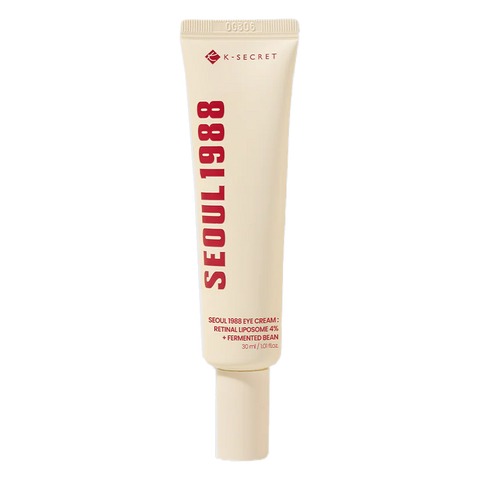
SEOUL 1988 Eye Cream: Retinal Liposome 4% + Fermented Bean, 30ml
In stock
EAN 8809695240577

A buyer asks a new wholesaler for free samples before the first order. The samples arrive: three best-sellers, cherry-picked, perfect condition, plus a handwritten note. She orders two thousand euros. The real shipment arrives a week later with short-dated stock, two wrong items and a packing job that cost four jars. The samples were true; they were also useless, because what she needed to test was never the product.
The sample order is the most misused tool in wholesale buying. Used to test products, it tells you what you could have learned in a shop. Used to test the supplier, it is the cheapest insurance in the trade, and the rule that unlocks it is simple: pay for it, and make it small, real and unannounced in its purpose.
The short version
- A small, paid, realistic first order tests the supplier's actual operation: expiry dates, pack condition, label compliance, picking accuracy, packing quality, invoice correctness and delivery handling. Free samples test none of that.
- Test the products through the same order: retail units you open, use and put on the tester shelf are samples with a resale value, not a cost.
- The receiving checklist below, run on the first delivery from any new supplier, turns one shipment into a supplier verdict.
Why paid beats free
Free samples are marketing, and marketing is optimised: the supplier picks the products, checks the dates, wraps them like gifts, and ships them through the fast lane. You learn that the supplier can send three perfect units, which you knew. The paid small order is the supplier's ordinary operation captured once: the same warehouse, the same packers, the same stock rotation and the same invoice logic your two-thousand-euro order would get, at a tenth of the exposure. It even answers the awkward question of whether the order minimums and case packs behave the way the price list promised, per the minimums guide.
The composition matters: order the way you would really order, a handful of heroes plus one or two of the niche lines, because that tests picking across the warehouse rather than the bestseller shelf. And pay through the normal channel with a proper invoice, because the paperwork is part of the test.
What to test when the box arrives
The product test is the one everyone does anyway: open the heroes, use them, put units on the tester shelf, and let the texture conversations from the staff training begin. The supplier test is the checklist below, and each line maps to a future pain: the dates on the packs against the promised shelf-life policy, decoded with the batch code guide; the label compliance against the six-point check from the labelling article; the condition of the packs, because dented and shopworn boxes do not sell; the picking accuracy against the order and the invoice against the payment; and the packing quality, because a supplier who ships glass loose in a carton ships breakage forever.
Score it honestly, and remember what it is: one shipment, not a verdict for life. A great first box earns a normal second order, not a marriage; a bad one earns the direct email about what failed and one chance to fix it, or no second order at all.
The receiving checklist
FIRST DELIVERY CHECK, new supplier (30-45 min, at goods-in)

PAPERWORK
[ ] invoice matches order, prices match the quote
[ ] packing list matches the cartons received
[ ] EANs/SKUs on the invoice match the products in the box
PRODUCT
[ ] batch codes recorded per line (the recall trail)
[ ] remaining shelf life per line >= promised minimum
[ ] label check: RP address, EU language elements, batch,
    durability date (the 2-minute per-product routine)
CONDITION
[ ] packs clean, undented, seals intact
[ ] no leakage, no temperature damage signs
[ ] packing quality: glass protected, weight distributed
OPERATION
[ ] delivered when and how promised (tracking, pallet, parcel)
[ ] short ships / substitutions listed and credited correctly
[ ] damage claim process known: window in days, photo rules
VERDICT: all pass -> normal second order
         fixable fails -> email, document, one more chance
         dates/labels fail -> do not reorder; the risk is yours
Questions buyers ask
Should I ever accept free samples at all?
Accept them for what they are: a way to test the product, not the supplier. Free samples are fine for evaluating a texture, a scent, a shade range before you commit to a line, and they are worth asking for when the alternative is buying a case of something untested. Just never let a perfect sample box stand in for the paid trial order, because the two answer different questions, and only one of them predicts your real shipments. The tester and hygiene rules for what you do with either are in the tester guide.
How small is a useful sample order?
Large enough to exercise the operation, small enough to lose: typically the supplier's minimum order size, or a few hundred euros, with five to fifteen SKUs including at least one hero, one niche line and one fragile item. Below that you test nothing but the postage; above it you are not sampling, you are stocking. The order should hurt a little if it goes wrong, because that is the size that makes the verdict stick.
The first order was perfect. Can I skip the checklist on the second?
Run it in fast-forward for the first three orders, then sample it monthly: check dates and labels on every delivery forever, because those fail silently, and run the full checklist whenever something changed, a new warehouse, a new carrier, a new product category from the same supplier. Supplier drift is real: operations that were tight in spring slip by autumn, and the checklist is forty minutes that keeps a two-year relationship honest. The full vetting frame around all of this is in the supplier vetting checklist.
Sources
The checklist reflects category practice as of 2 September 2026.
Stock these brands yourself?
Wholesale prices unlock once your trade account is approved. Verification takes one to two working days.
Apply for an accountSee the terms