Country guides
Korean Cosmetics Wholesale in Germany
Buying Korean cosmetics wholesale for Germany means 19 % VAT, German text on the pack under § 4 KosmetikV and a LUCID number before the first carton ships.
Beauty of Joseon
See all →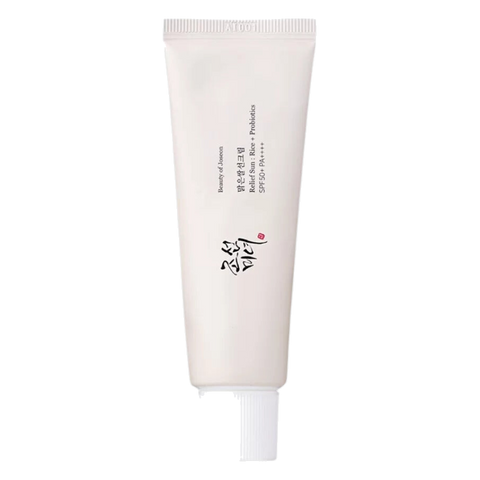
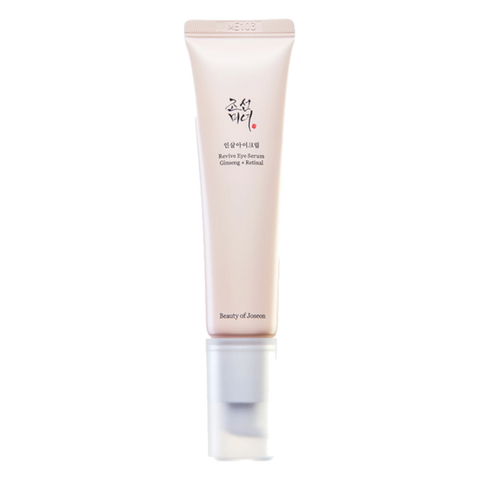
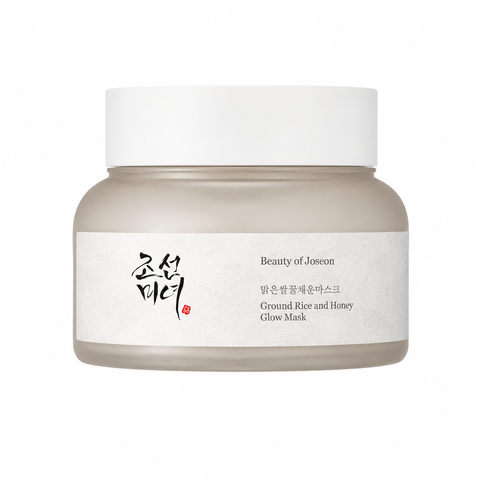
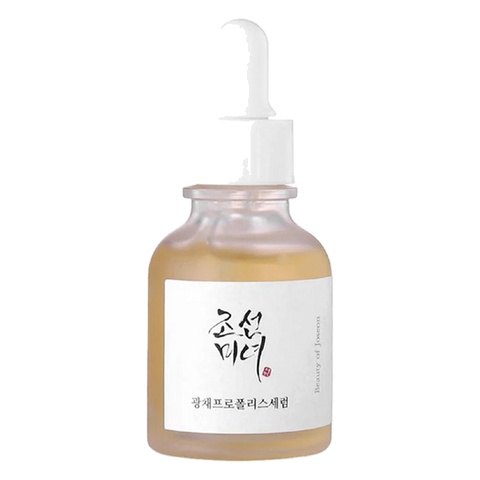
A shop owner in Leipzig writes with a situation we see every few weeks: dm has opened a Korean shelf two streets away, her customers ask for the brands they saw on TikTok, and she wants to know whether to order from Korea directly or from stock already inside the EU. Four German rules settle most of that before price comes into it: a language rule, a packaging register, a customs notification, and a VAT mechanism that decides who finances the import.
Germany is the biggest market on the continent and the drugstore chains got to K-beauty first. That suits an independent, as long as she stops trying to be a cheaper dm.
The short version
- Cosmetics sold in Germany must show nominal content, minimum durability, precautions and product function in German (§ 4 Kosmetik-Verordnung, as amended 19 December 2025); a Korean-only or English-only pack cannot be sold until it is over-labelled.
- German VAT on cosmetics is 19 % (§ 12 UStG). A purchase from an EU wholesaler against a valid German VAT ID is invoiced without VAT and self-assessed in the buyer's return; a direct import from Korea carries import VAT on goods plus freight at clearance, unless a deferment account moves it to the 26th of the second following month (§ 21 Abs. 3a UStG).
- Whoever first places packaged goods commercially on the German market, importers included, must register in the LUCID packaging register under the Verpackungsgesetz before the first carton ships and contract a dual system for consumer packaging.
The chains got there first, and that is the opening
The industry association IKW reported on 3 December 2025 that domestic sales of beauty and household care rose 5.5 % to 23.9 billion euros in 2025, with skin and facial care the fastest segment at +11.1 %. The Korean share of that growth is already on the drugstore shelf: dm runs a Koreanische Kosmetik category with brand pages for Beauty of Joseon and Missha and serums under 20 euros, Rossmann and Müller run the same category online, and Rossmann put a K-Beauty line under its own Isana label on the shelf in October 2025. We found no pharmacy chain stocking Korean brands at scale, so treat the Apotheke as a channel to test. The rules that apply in every member state are in the EU-wide buyer's guide to Korean skincare wholesale.
The chains set the reference price for the twenty or thirty SKUs they carry, and a shop that lists the same serum at three euros more loses that customer for good. Do not list what dm lists. Build the range around what the drugstores skip: the second and third tier of a brand's range, sun sticks, ampoules, sheet-mask boxes, sets, and the advice a shelf cannot give. The drugstore trains the customer; your shop sells her the next step.
What has to be in German, and who checks it
Article 19(5) of Regulation (EC) No 1223/2009 leaves the label language to the country where the product reaches the end user, and Germany used that in § 4 Kosmetik-Verordnung: nominal content, durability, precautions and function must be in German. The ingredient list stays in INCI. Article 19(1)(a) adds the Responsible Person's name and EU address and, for imports, the country of origin.
Surveillance is done by the Länder authorities; the federal BVL is Germany's contact point for the CPNP portal and for cooperation between EU cosmetics authorities. One rule is German only and almost nobody knows it: § 3 Kosmetik-Verordnung requires whoever imports cosmetics into Germany to notify the place of import to the supervising authority before the first import, and skipping it is an administrative offence under § 9. Do it for goods from Korea; for goods from a wholesaler in another EU country, ask your Land authority in writing whether the notice applies.
The trap sits in the fix. Print your own German sticker to satisfy § 4 and Article 13(3) makes you a notifier who must file the translated label in the CPNP, even though translating does not make you the Responsible Person. Buy stock that already carries German text, or price the CPNP work into the order.
Two invoices: EU stock versus direct import
From an EU wholesaler the mechanics are simple. Give the supplier your USt-IdNr from the Bundeszentralamt für Steuern with the order; the invoice shows no VAT and both VAT IDs as an intra-Community supply, and you book 19 % acquisition VAT and deduct it as input tax in the same Voranmeldung. Without a VAT ID, which is where the Kleinunternehmer scheme leaves a new shop, the supplier charges its own country's VAT, 20 % from Austria for example, and you cannot reclaim it.
Importing from Korea yourself needs an EORI number and a customs entry, and duty is rarely the issue: TARIC on 1 September 2026 shows 0 % on HS 3304, so serums, creams and sunscreens enter duty-free with or without the trade agreement. Import VAT is the issue. Its base is the customs value plus freight and handling up to the first destination in Germany (§ 11 Abs. 3 UStG), so on air freight, where freight can be a third of the invoice, the base sits well above what you paid the supplier. You pay it at clearance through the forwarder's account, with a fee, or through your own Aufschubkonto under Article 110(b) of the Union Customs Code: duty falls due on the 16th of the following month, import VAT on the 26th of the second following month, and no security is required where the import VAT is fully deductible. Zoll does not publish the volume the Hauptzollamt expects before granting one, so ask in writing before you apply. If you cannot show a monthly import rhythm, skip the deferment account and buy EU stock; the import VAT is then the wholesaler's cash problem. Austria solves this with a tick-box in the customs declaration, one reason Vienna works as a hub, as the guide to Korean cosmetics wholesale in Austria explains.
Packaging: LUCID before the first carton
The Verpackungsgesetz attaches its producer obligations to whoever first places packaged goods commercially on the German market, and importing counts. Register in the LUCID register run by the Zentrale Stelle Verpackungsregister at verpackungsregister.org before the first unit ships, contract a dual system for every piece of packaging that ends with a consumer (tube, box, shipping carton), and report the volumes. Do not look for a small-volume exemption; register first, then license.
Who carries it depends on where the stock crossed into Germany. A German wholesaler that imported the goods is the producer for the product packaging; only the cartons you add for your own web orders stay yours. Buy from a wholesaler in Austria or the Netherlands and bring the goods across, and LUCID is yours in full. Other countries run their own registers and fees, listed in the packaging EPR guide.
Three things that go wrong on the first German order
The sticker: stock from a wholesaler that serves the whole EU arrives with the § 4 elements in Italian or Dutch, and the buyer finds out from the inspector. Ask in writing before paying which language is printed on the unit.
The VAT ID: a new shop still under the Kleinunternehmer rule orders 4,000 euros of stock from another EU country, gets charged 20 % or 21 % foreign VAT, and has no way to get it back.
The cash on a direct air shipment: the forwarder pays import VAT on a freight-inflated base, bills it with a fee, and the money sits until the next Voranmeldung is processed. We see first orders where import VAT plus fees outweighs the discount that made buying direct look attractive.
The checklist for a first German order
FIRST GERMAN ORDER, CHECKLIST (2026-09-02)

Before ordering
[ ] USt-IdNr in hand and sent to the supplier with the order
[ ] EORI number (direct import only)
[ ] LUCID number; dual-system contract signed for consumer packaging
[ ] Supplier confirms in writing: content, durability, precautions, function in German on each unit (§ 4 KosmetikV)
[ ] Supplier confirms in writing: Responsible Person name and EU address on each unit, country of origin shown
[ ] Decision recorded: resell label as delivered (no CPNP duty) or translate it (CPNP notification, Art. 13(3))
[ ] Nothing on the order that dm, Rossmann or Müller list at a lower shelf price

Direct import only
[ ] Place of import notified to the Land authority (§ 3 KosmetikV)
[ ] HS code per line confirmed (3304 = 0 % duty; 3307 = 6.5 % without an origin declaration)
[ ] Import VAT at clearance: forwarder's account (fee asked) or own Aufschubkonto (approved)

After delivery
[ ] EU purchase: invoice shows no VAT and both VAT IDs. Direct: customs bill matches invoice plus freight
[ ] Acquisition VAT and input VAT booked in the same Voranmeldung
[ ] Packaging volumes reported in LUCID
Questions buyers ask
Is there customs duty on Korean skincare imported into Germany?
On most of it, no. TARIC on 1 September 2026 shows 0 % third-country duty on HS 3303, 3304, 3305 and 3306, so the EU-Korea agreement saves nothing on serums, creams, sunscreens or shampoo. Deodorants, bath products, cleansing wipes and liquid cleansers under 3307 (6.5 %) and 3401 30 (4 %) are the exception, and above 6,000 euros per consignment only a Korean approved exporter can issue the origin declaration that removes the duty.
Do I need my own Responsible Person if I buy from a wholesaler inside the EU?
No. Under Article 4(5) of Regulation 1223/2009 the importer who brought the goods into the EU is the Responsible Person, and a retailer buying from EU stock is a distributor with the checking duties of Article 6: Responsible Person name and address, batch number, ingredient list and German-language elements present, durability date not passed. The duties grow the moment you sell under your own brand or translate the label yourself.
Do I need LUCID if I only sell in my own shop, not online?
Yes, if you were the first to place the packaged product on the German market, which covers every direct import and any stock bought from a wholesaler in another EU country. The register does not distinguish between shop and web sales. A German wholesaler that imported the goods carries the duty for the product packaging; shipping cartons and gift boxes you add stay yours to register and license.
Sources
- IKW, Markt für Schönheit und Sauberkeit wächst deutlich, press release, 3 December 2025
- Kosmetik-Verordnung, § 3, § 4 and § 9, gesetze-im-internet.de, as amended 19 December 2025
- Zoll, Zahlung der Abgaben mit Zahlungserleichterung, 2026
- European Commission, TARIC measure information for Korea, reference date 1 September 2026
- Regulation (EC) No 1223/2009 on cosmetic products, EUR-Lex, 2009
- dm-drogerie markt, Koreanische Kosmetik category, 2026
Facts checked on 2 September 2026 against the sources above.
Stock these brands yourself?
Wholesale prices unlock once your trade account is approved. Verification takes one to two working days.
Apply for an accountSee the terms