Concept stores
Curating a K-Beauty Section: Depth or Variety?
Stock three to six SKUs per brand in a browsing shop and eight to twelve per brand where staff advise, and never leave a brand at a single orphan SKU.
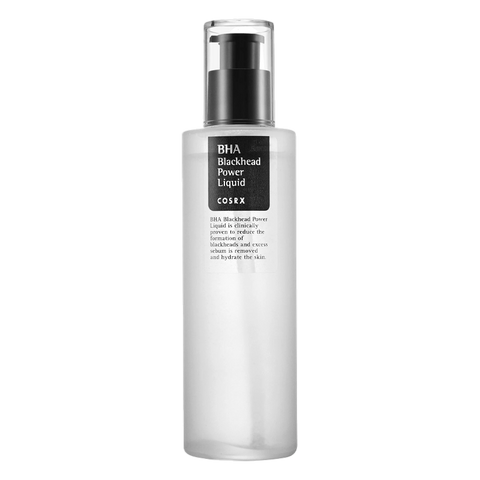
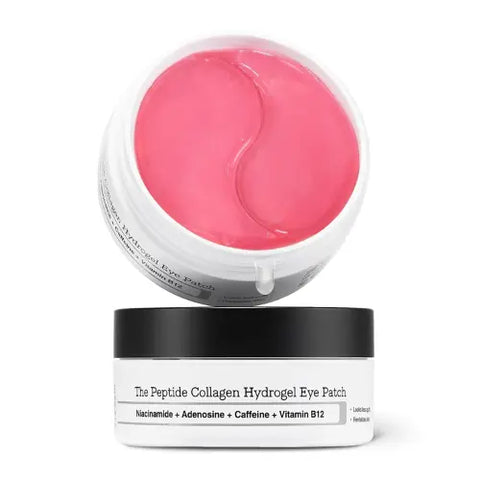
COSRX
See all →

Two order sheets landed in the same week this summer, from two shops of about the same size. The first came from a concept store: three brands, nearly every product each of them makes, thirty-odd lines per brand. The second came from a pharmacy: nineteen brands, one or two lines each, most of them lifted from the same three videos. Each sheet was a sensible plan for the other shop. A concept store lives on browsing, and three brands give a browser nothing to compare. A pharmacy lives on advice, and nineteen brands give a pharmacist nineteen stories to learn before she can recommend one. "How many SKUs per brand" has a number in it, but the number comes out of the format.
The short version
- A browsing format (concept store, K-beauty specialist, gift shop) runs on three to six SKUs per brand across eight to twelve brands; an advice format (pharmacy, salon, clinic) runs on eight to twelve SKUs per brand across three or four brands.
- COSRX listed 119 products on its own web shop on 2 September 2026, so stocking a brand means choosing a slice of it, and the slice is the decision.
- Article 13(1) of Regulation (EC) No 1223/2009 requires a separate notification for each cosmetic product before it is placed on the EU market, so every additional SKU is a separate compliance line for whoever is the responsible person.
Depth means SKUs per brand, and most first orders get it by accident
Depth here is the number of lines you carry from one brand. Units per line is a different decision, covered in how much inventory a first shop needs, and mixing the two is how a shop ends up with twelve units of a serum and no cleanser to sell next to it.
Low depth, high variety means many brands at one to three lines each; high depth, low variety means a few brands at eight lines and up, enough to show a whole routine in one brand's packaging. Both work. What does not work is accidental variety, where the list was built from what was trending, and every brand arrives as a single orphan pack that reads like the last item on a clearance table.
Our position: pick the pole that matches how your customer buys, then put a floor under it. No brand stays on the shelf at one SKU past 90 days. Three SKUs is the smallest set that reads as a range, and the three are almost always the hero, the step before it and the step after it.
Variety draws the crowd, depth closes the sale
Iyengar and Lepper ran a jam tasting booth in a grocery store in Menlo Park, California, and published the result in the Journal of Personality and Social Psychology in 2000. With 24 jams on the table, 60 % of passers-by stopped; with 6 jams, 40 % stopped. Of those who stopped, nearly 30 % bought a jar at the 6-jam table and 3 % at the 24-jam table. A 2010 meta-analysis of 50 experiments in the Journal of Consumer Research found a mean effect of "virtually zero", so the jam booth is a pattern with exceptions, and nobody has run it on sheet masks.
What we see on shop floors matches the pattern anyway, and it splits along one line: whether anyone helps the customer choose. In a self-service shop, variety is the reason to walk in, and a browser compares within a need across brands, which only works if the shelf is built by need rather than by brand. Where a person recommends, every extra brand is another story to hold in her head, and a pharmacist can hold about four. Depth is what lets her say "then use this next" without walking to a different bay.
Which format wants which
Concept stores, K-beauty specialists and gift shops want variety with an anchor layer under it. Eight brands to open, up to twelve once the first eight have earned their facings, at three to six SKUs each, never more than six brands in one bay. Three or four of those brands are anchors customers ask for by name, and they get the deeper slice, eight to ten lines. The rest is the discovery layer, which is where brands nobody else in your city stocks belong: two to four SKUs, one facing each, a 90-day review. Nobody in this format explains the product, so the pack has to sell itself, a call variety buyers get wrong far more often than depth buyers do.
Pharmacies want depth. Three or four brands, eight to twelve SKUs each, built as complete routines around barrier repair and sun, so the pharmacist can answer a skin complaint with a sequence rather than one jar. A fifth brand at two SKUs adds a story to learn and subtracts facings.
Salons and clinics want depth at its narrowest: one or two brands, eight to twelve lines in total, the retail sizes of what was used on the client's face an hour earlier. Variety in a salon competes with the treatment menu; depth extends it.
What scales with brand count, and what scales with SKU count
Brand count carries three costs. Korean-side wholesalers commonly set a minimum order amount per brand, and some take one order per brand, so a nineteen-brand list can mean nineteen minimums before a single carton moves; ask any supplier whether the minimum is per brand or per order before you build the list. A brand block needs four facings before it stops reading as leftovers. And each brand is one more story for staff to learn.
SKU count carries the compliance cost, and it lands on whoever is the responsible person. Under Article 13(1) of Regulation (EC) No 1223/2009 each product needs its own notification before it goes on the market; the portal is free, the safety assessment and product file behind each notification are not. Buy from an EU importer and the notification is theirs, but Article 6 still makes you, the distributor, check every SKU before it goes out: responsible person's address and country of origin on the pack, batch number, ingredient list, your country's language rules, and a durability date that has not passed. Twenty brands at two SKUs and four brands at ten SKUs are the same forty checks; what depth saves is that ten packs from one brand share one label layout, and the tenth check takes a minute.
The SKU-per-brand rule, ready to copy
Print this, fill in the top two lines, and let the rest fall out.
DEPTH OR VARIETY: ONE-PAGE RULE

1. FORMAT
   [ ] Browsing (concept, specialist, gift)  -> variety
   [ ] Advice   (pharmacy, salon, clinic)     -> depth
   Test: does staff tell the customer what to buy? Yes = advice.

2. FACINGS (count the metres; 16 to 20 facings per metre):  ______

3. BRANDS
   Browsing:  8 to open, 12 max, never more than 6 in one bay
   Pharmacy:  3 or 4
   Salon:     1 or 2

4. SKUs PER BRAND
   Anchor (asked for by name):   8 to 10,  3 facings on the hero
   Range brand (browsing):       3 to 6,   1 to 2 facings
   Discovery / trend brand:      2 to 4,   1 facing, 90-day clock
   Pharmacy routine brand:       8 to 12,  2 facings
   Salon brand:                  8 to 12 lines in total, retail sizes

5. FLOORS AND CEILINGS
   Under 3 SKUs after 90 days: add the steps around the hero, or delist.
   Under 4 facings: it reads as leftovers.
   Over 12 SKUs: only if customers ask for the brand by name.
   No unit sold in 8 weeks: the facing goes to the waiting list.

6. ASK THE SUPPLIER BEFORE ORDERING
   Is the minimum per brand or per order?
   Which 3 SKUs of this brand do shops my size reorder most?
   Who is the responsible person on the pack for every SKU listed?
Questions buyers ask
Should I stock a brand's full range?
No. COSRX alone listed 119 products on its own web shop on 2 September 2026, and the bigger the catalogue, the more of it is regional, seasonal or a variant of something you already carry. Start with the hero and the two steps around it, then let reorders tell you where to go deeper.
Can I stock just one product from a brand?
Yes, as a test with a date on it, never as an assortment decision. Give it a single facing next to the products it belongs with and a 90-day clock; if it sells, add the step before and after it, and if it does not, sell it through and do not reorder. The exception is a hero customers ask for by name, which earns its facing alone as long as they keep asking.
How many units of each SKU do I buy on a first order?
Two to four, counting the one on the shelf, and six to twelve only on the handful of lines a supplier says its other accounts reorder. Depth in units is where opening budgets get spent on stock that sits, so keep about a third of the inventory budget for the first reorder, when you finally have your own sales data.
Sources
- EUR-Lex, Regulation (EC) No 1223/2009 on cosmetic products, consolidated text
- Iyengar and Lepper, "When Choice is Demotivating", Journal of Personality and Social Psychology, 2000
- Scheibehenne, Greifeneder and Todd, "Can There Ever Be Too Many Options?", Journal of Consumer Research, 2010
- COSRX official web shop, all products, 2026
Facts checked on 2 September 2026; regulation wording follows the EUR-Lex text as read on 1 September 2026, and the format rules are supply-side judgement, not measurement.
Stock these brands yourself?
Wholesale prices unlock once your trade account is approved. Verification takes one to two working days.
Apply for an accountSee the terms